
The Changing Middle East

The Middle East has changed dramatically since Hamas attacked Israel on October 7, 2023. Thousands have died, Israel has turned Gaza into a wasteland, Hamas is in shambles, Hezbollah is on its back foot and losing its grip on Lebanon, and the Assad regime has been tossed out in Syria. Now, October 7th’s aftershocks have seen Israel and Iran exchange twelve days of heavy fire, the United States drop bunker busters on Iranian nuclear sites, and Iran stage-managed a missile attack on U.S. forces in Qatar in response. A tenuous ceasefire is in place for the moment, while major questions still abound over how much damage was actually done to Iran’s nuclear capabilities.
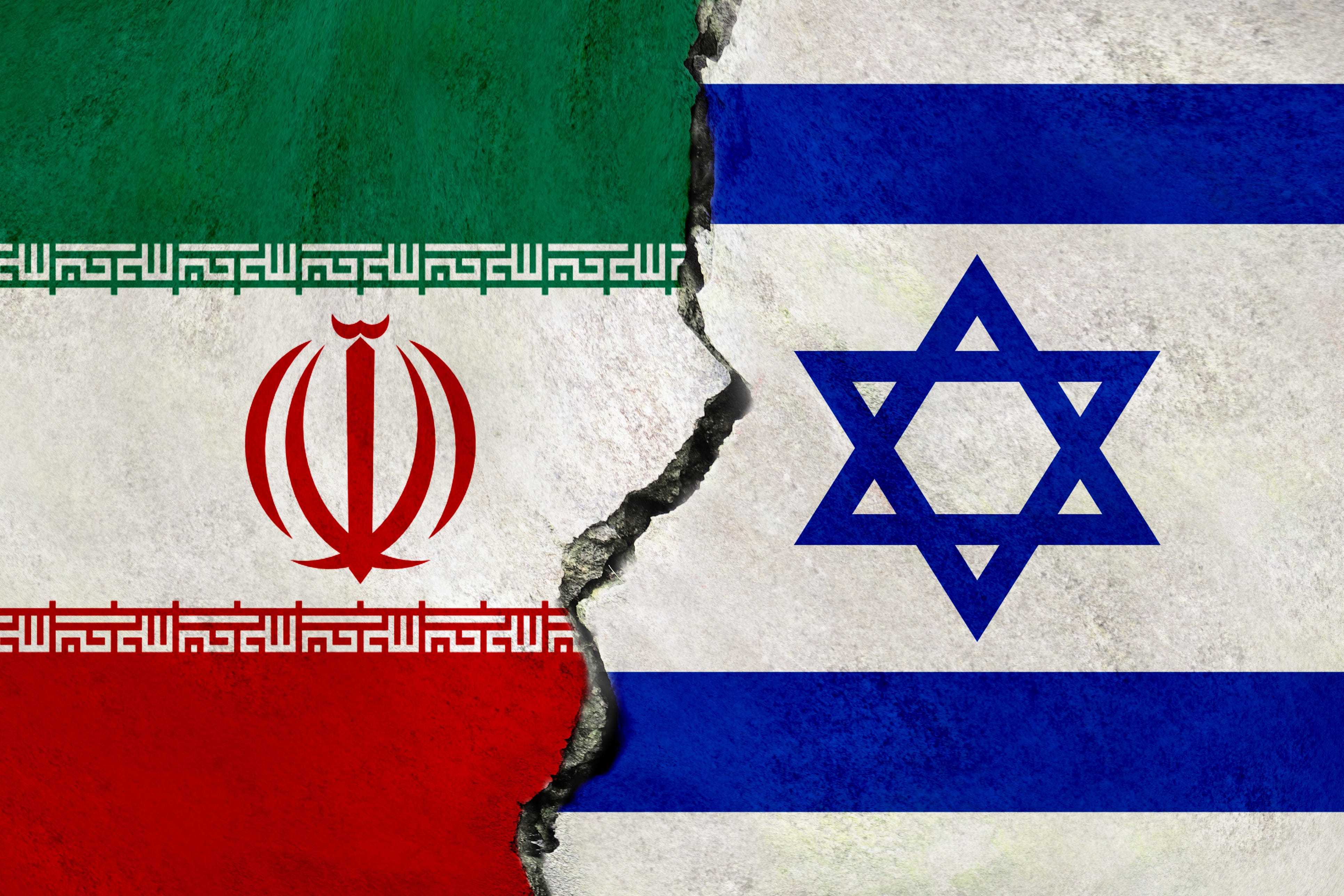
There is one thing that all of these issues have in common: Iran. Hamas and Hezbollah are Iranian proxies that have done Tehran’s bidding for decades, killing U.S. troops in Iraq and Syria, terrorizing Israelis and their own populations, and dominating the political scene in Gaza and Lebanon — while Tehran was the Assad regime’s main benefactor. For decades, Syria acted as a conduit for arms and personnel for Hamas and Hezbollah. The Syrian civil war also served as a real world training ground for Hezbollah forces.
Many things can be debated regarding what has transpired over the past 20 months, both horrific and promising. One thing, though, that has come into much sharper focus in the past few weeks is the immense degradation of Iran’s military, political, and broader regional capabilities. Since late 2024, with the loss of the Assad regime in Syria, Hezbollah’s political and military turnabout in Lebanon, and Hamas’ continued destruction in Gaza — coupled with Israeli attacks on Iranian air defenses over the past months — Iran is arguably at its weakest state since the height of the Iran-Iraq war in the 1980s.
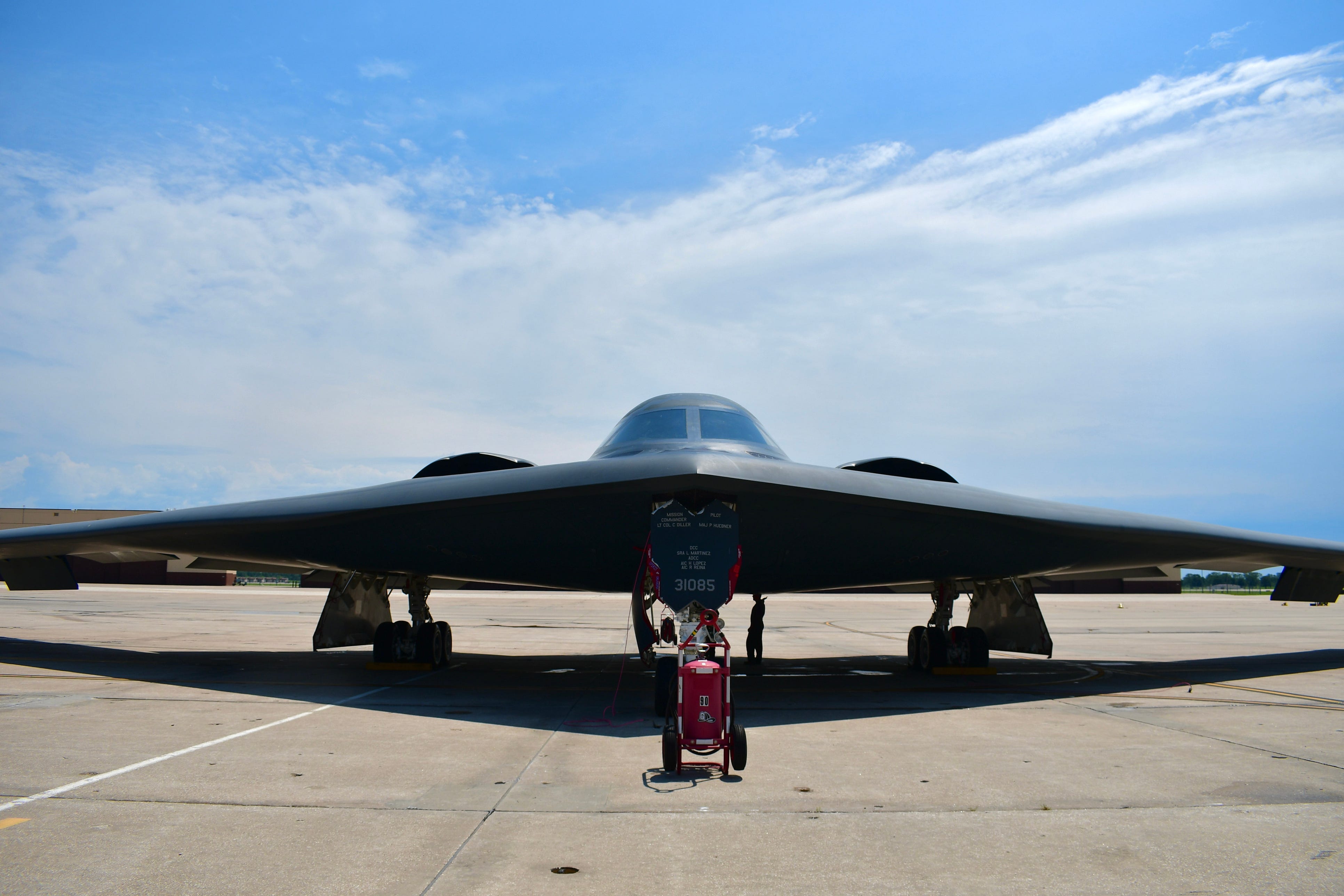
The Trump administration’s bombing of Iranian nuclear sites on June 21 is an unprecedented escalation of the decades-long U.S.-Iranian rivalry. The outcome of the B-2 bomber raids on Fordo, Natanz, and Isfahan is still under investigation. Whether this is the culmination of events that now leads to diplomacy or the beginning of a new chapter of prolonged (and unwanted) U.S. engagement in the Middle East is the question everyone will seek an answer to in the coming weeks.
What is undeniable, though, is that last week’s Israeli and U.S. actions would have been unthinkable prior to October 7, 2023. Deterrents to a U.S. attack on Iran’s nuclear sites over the past decades have been myriad. They included the danger to Israeli and/or U.S. military aircraft due to Iranian air defenses, Iranian missile attacks on Israeli and U.S. forces in the region, and attacks on the Israeli homefront from Iranian proxies Hezbollah and Hamas. Events over the past 20 months have created a situation where Hamas, Hezbollah, and Iranian air defenses have been rendered irrelevant as a deterrent to Israeli or U.S. actions. We are now in a situation in which Iran does not control the majority of its own skies.
Beyond calls for Iran to now come back to the negotiating table, the administration’s goals and longer-term strategy (if there is one) remain opaque, leaving numerous open-ended questions as to what happens next, and the potential for mission creep — drawing the United States into a prolonged stand-off if Tehran does not retreat from its nuclear ambitions.
There are multiple potential pathways that could transpire in the coming days, weeks, and months. It comes as no surprise that Iran retaliated against U.S. interests in Qatar. The regime’s domestic strength and legitimacy were at stake. U.S. and Qatari forces successfully intercepted the limited missile salvo from Iran on June 23. The attack was a tightly telegraphed symbolic response from Iran — due to limited capabilities and/or their desire to de-escalate — that has allowed both President Trump and Iran to declare a degree of victory. We have seen successful de-escalation during times of heightened tensions before: the April 2024 missile exchanges between Israel and Iran — the first ever direct attack on Israeli soil by Tehran — demonstrated that the two belligerents can offer each other off-ramps and step back from the brink. Similarly, President Trump chose not to escalate in response to Iranian strikes on U.S. forces in Iraq in 2020 — which had been in response to Trump’s decision to kill Iranian general Qasem Soleimani. The limited scale of Iran’s recent actions has allowed President Trump to shrug off the attack as nothing to worry about. Iran, too, appears to have backed down and declared victory; fears last week that Tehran might close the Strait of Hormuz or activate supposed terror cells in the West seem less likely at the moment.
If President Trump’s actions in the first hours of the ceasefire are any indication, it appears that he is now willing to use a firmer hand towards Israel. He immediately called on Israel not to retaliate further and privately warned Netanyahu in “exceptionally firm” terms not to violate the new ceasefire. The events of the past two weeks have ruptured the President’s domestic base, and he will expect obedience from his junior ally in return for bailing out Netanyahu’s adventurism and for expending so much of his political capital. The major question, then, is whether President Trump has set a lasting precedent that the United States will periodically insert itself back into the fray every time Israel perceives a resurgent threat from Iran. Though not exactly a “forever war” in the mold of Iraq in 2003, such an outcome would chafe against the President’s political instincts and necessitate long-term U.S. presence. The President likely now wants a longer-term Iran nuclear deal of his own (let alone a Nobel Peace Prize), which is an outcome far from certain as both sides assess the impact of U.S. strikes and renewed negotiations with Iran are not yet certain. Early reports that U.S. strikes may have only set Iran’s nuclear program back by several months, may embolden both Tehran—which may no longer fear nuclear rollback—and Tel Aviv, which may be driven to resume strikes if Iran’s capability resurges quickly.
Hopes for productive talks with Iran in the near-term also face a major obstacle: trust. Despite apparent attempts at mediation, President Trump’s blindsiding of Iran at the start of this war — with which he added insult to injury by boasting that he “knew everything” ahead of time — has destroyed what little credibility the United States still had in Tehran and already empowered its hardliners. This on top of the mistrust that already existed due to Trump’s willingness to pull the United States out of past international and bilateral deals, including the 2015 Iranian nuclear deal.
Israeli and American actions over the past two weeks also create the distinct possibility that the Iranian regime, or future ones, will more strongly set out to attain a nuclear weapon as a future deterrent. There is already a long-standing history of nuclear development in Iran that began under the Shah in the mid-1970s and has continued under the theocratic regime. As Mark Lander aptly describes, “Iran’s leaders have viewed it as a proud symbol of the country’s leadership in the Muslim world, a reflection of its commitment to scientific research, and an insurance policy in its dangerous neighborhood.”
Hopefully, the seemingly telegraphed Iranian response, and President Trump’s decision not to retaliate, will draw the U.S.-Iran portion of this conflict to an end. The President can and should “take the win” at this point. An off-ramp that could lead to diplomacy is here. Let’s hope all sides take it.
A previous version of this post appeared in the Institute for the Study of Diplomacy’s Diplomatic Pouch online magazine.